
Waterless Skincare
Discover why waterless skincare is changing the way we approach skin health.
EcoShea Team
7/16/20243 min read
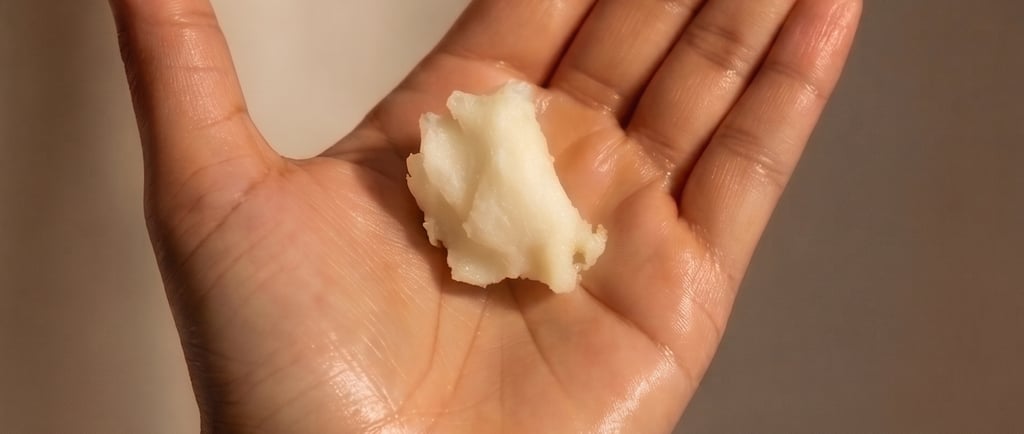
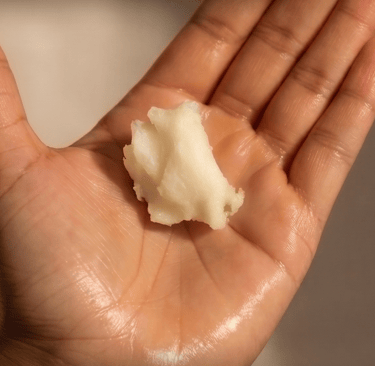
Most people don’t realise this, but the average face cream is built on water—often making up 70–80% of the formula. On the surface, that sounds harmless. But where there’s water, there also has to be a system to stabilise it: preservatives to stop microbial growth, emulsifiers to keep everything mixed, and often additional fillers to improve texture.
At some point, I started questioning it.
If the goal is to nourish the skin… why dilute everything in the first place?
That question is what led me down the path of waterless skincare—and once you understand the logic, it’s difficult to go back.
Strip away the water, and what’s left actually matters
When you remove water from a formulation, something important happens: every ingredient has to earn its place.
There’s no dilution. No filler. Just functional inputs.
In practical terms, that means a small amount of product delivers a high concentration of nutrients—particularly when you’re working with ingredients like:
Unrefined shea butter
Cold-pressed plant oils
Naturally occurring humectants
These aren’t just “add-ons.” They form the structural and functional backbone of the product.
At Ecoshea Organics, this is the entire point. We’re not trying to create the illusion of hydration—we’re providing the raw materials your skin actually uses to maintain it.
No water = no need for aggressive preservation
This is one of the most overlooked advantages.
Microbial growth requires water. Remove the water, and you remove the environment bacteria depend on. As a result, you don’t need the same level of synthetic preservation systems that are common in conventional creams.
What that means for your skin:
Fewer potential irritants
Lower risk of sensitisation over time
A formula that stays closer to its natural state
For people dealing with reactive or compromised skin, this alone can make a significant difference.
Concentration changes how you use skincare
One of the first things people notice with waterless products is how little they actually need.
Because you’re not applying a diluted formula, a pea-sized amount is often enough. That shifts the relationship you have with your routine—from applying large quantities daily to using smaller, more deliberate amounts.
It’s more efficient. And over time, it’s more sustainable—both in terms of product use and environmental impact.
You’re not paying for water. You’re investing in function.
Application is where most people get it wrong
Waterless doesn’t mean moisture-free. This is where context matters.
Your skin still needs water—but instead of getting it from the product, you use what’s already present on your skin.
Here’s how to do it properly:
1. Cleanse your skin
Keep it simple. Avoid over-stripping—your natural oils are part of the system.
2. Apply to slightly damp skin
This is key. After cleansing, don’t fully dry your face. That residual moisture is what your balm will lock in.
3. Use less than you think you need
Start with a pea-sized amount. You can always add more, but most people won’t need to.
4. Warm it before applying
Melt the balm between your palms or fingertips. This improves spreadability and absorption.
5. Press, don’t rub
Work with the skin, not against it. Pressing helps distribute the product evenly without unnecessary friction.
Why this approach works long-term
Skin doesn’t need constant stimulation—it needs stability.
When you consistently provide high-quality lipids and reduce unnecessary inputs, the skin starts to regulate itself more effectively. Barrier function improves. Moisture retention stabilises. Reactivity often decreases.
This isn’t a quick fix. It’s a shift in approach.
And that’s really the point.
Practical takeaways you can use immediately
1. Check your ingredient lists
If water (aqua) is the first ingredient, you’re using a diluted product.
2. Focus on lipid quality
Your skin barrier is lipid-based—your skincare should reflect that.
3. Reduce dependency on heavy actives
If your skin is constantly reacting, it’s often a sign of over-intervention.
4. Use moisture strategically
Apply oils and balms to damp skin to maximise hydration.
5. Think long-term
Consistency with fewer, better ingredients will outperform short-term intensity every time.
After years of working with waterless formulations, the conclusion is straightforward: most skincare is overcomplicated.
When you remove what isn’t necessary, what remains tends to be exactly what the skin needed in the first place.
At Ecoshea Organics, that’s the philosophy we build everything around—simple, concentrated formulations that support the skin rather than override it.
No dilution. No unnecessary additives. Just inputs that make sense.
And once your skin adapts to that, the difference is hard to ignore.
One Nut at a Time
Join our community
© 2026.
All rights reserved.